
Dyslexia is not a weakness — here's the simple, science-backed way to get it right. The school calls. Your child is ‘behind’ in reading, ‘not trying hard enough,’ maybe ‘not very academic.’ You watch a bright, funny kid come home convinced they’re stupid. If your child struggles with reading, that label can crush them. But the label is wrong — and one of the world’s most famous founders is living proof.
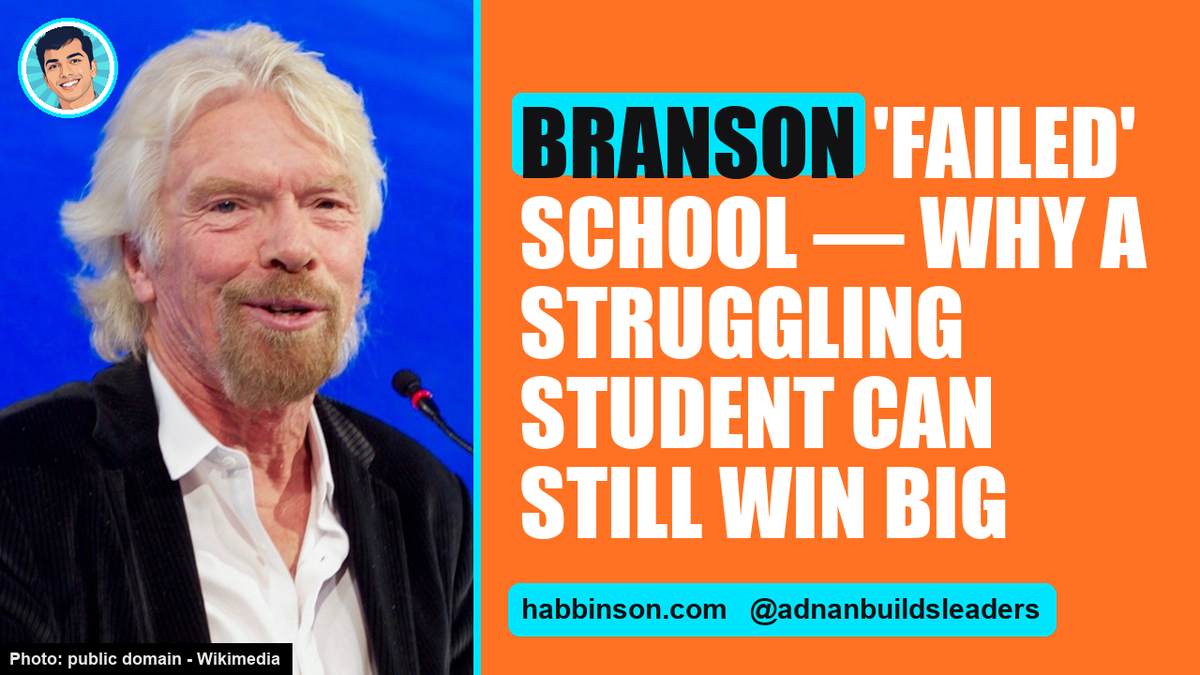
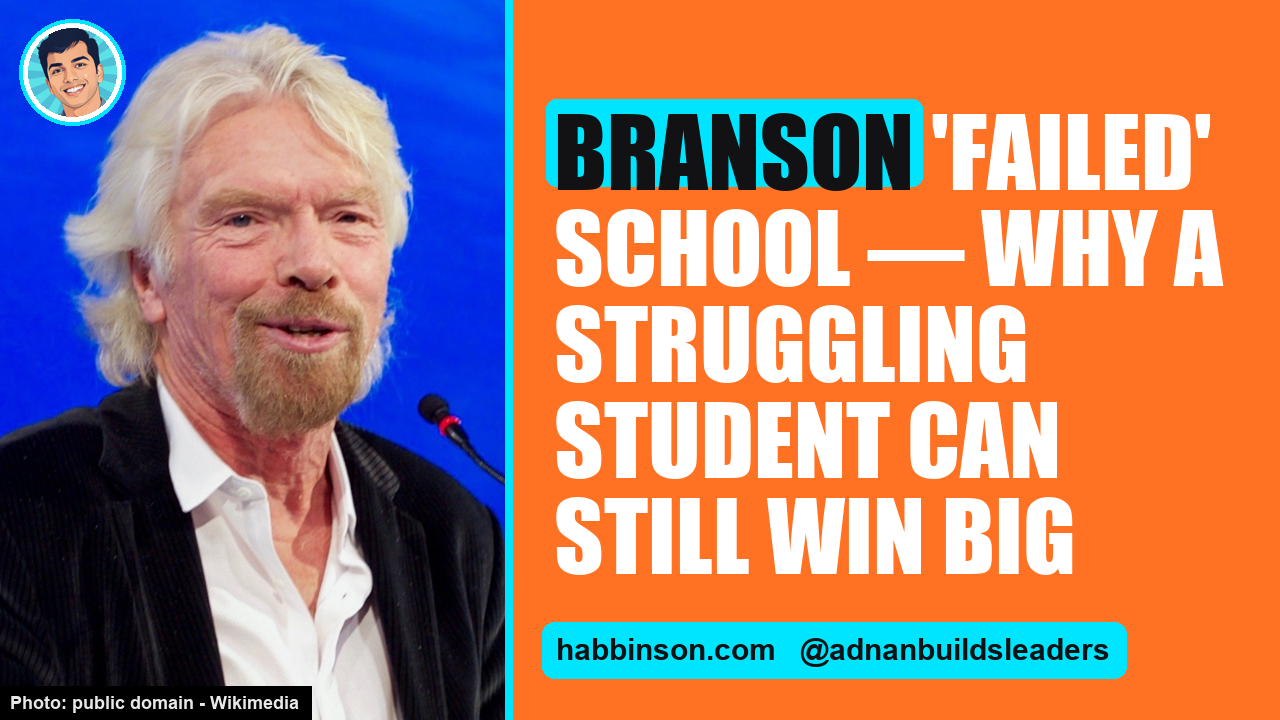
**Richard Branson** — founder of the Virgin empire — is dyslexic. He struggled so much in school that teachers thought he was lazy or slow. He left at sixteen. Yet that same ‘weak student’ built hundreds of companies. He didn’t succeed despite how his brain worked. In many ways, he succeeded because of it.
That’s the truth about dyslexia in children that schools often miss. A different way of reading is not a lack of intelligence. Let’s look at what dyslexia really is, the hidden strengths that come with it, and how to raise a struggling reader who believes in themselves.
What is dyslexia in children, really?
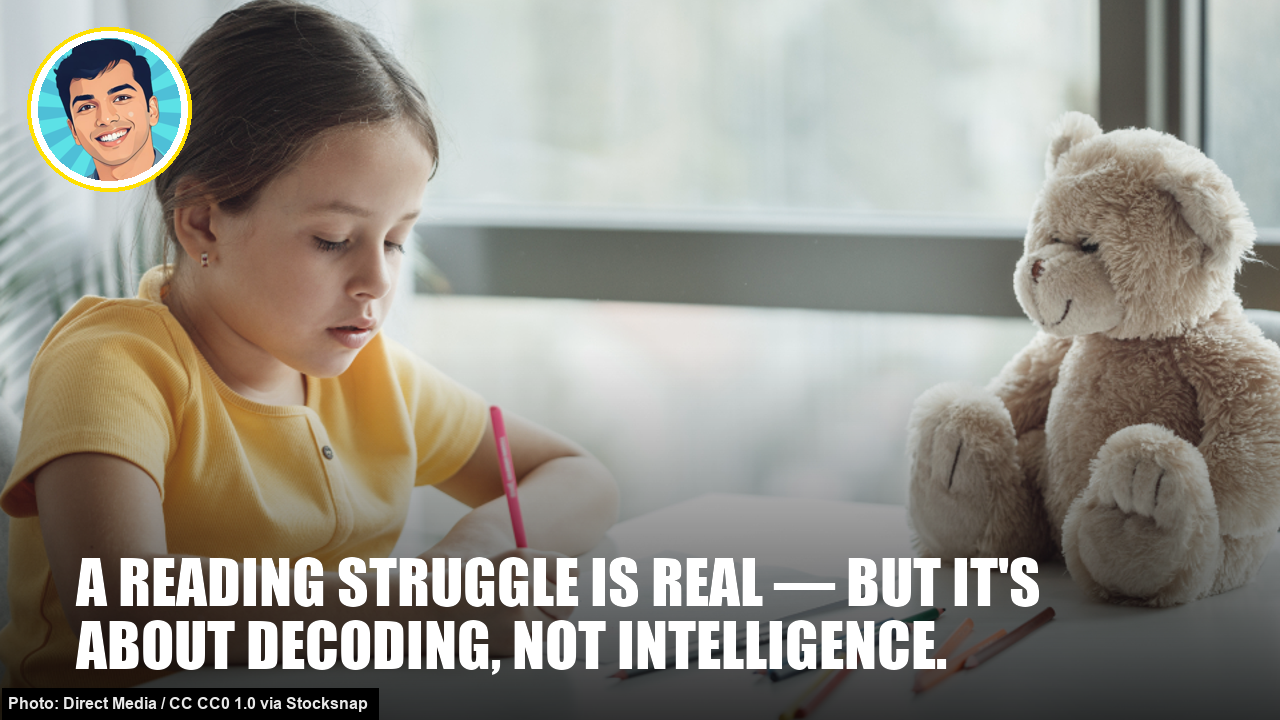
Dyslexia makes reading slow and effortful — decoding words, spelling, and reading aloud are genuinely harder. But here’s the part that matters: it has nothing to do with how smart a child is. The Yale Center for Dyslexia & Creativity puts it plainly — people with dyslexia are often fast, creative thinkers with strong reasoning, even while reading is hard work.
What is dyslexia? Dyslexia is a common, brain-based difference that makes reading, spelling, and word retrieval harder — despite normal or high intelligence. It is not caused by laziness, poor teaching, or low ability. With the right support, dyslexic children learn to read, and their thinking strengths — creativity, big-picture reasoning, problem-solving — often become their superpower.
So a child can be unable to read a paragraph smoothly and still out-think the room on ideas. The reading struggle is real and deserves real help. But it sits right next to real gifts.
The hidden strengths of a dyslexic child
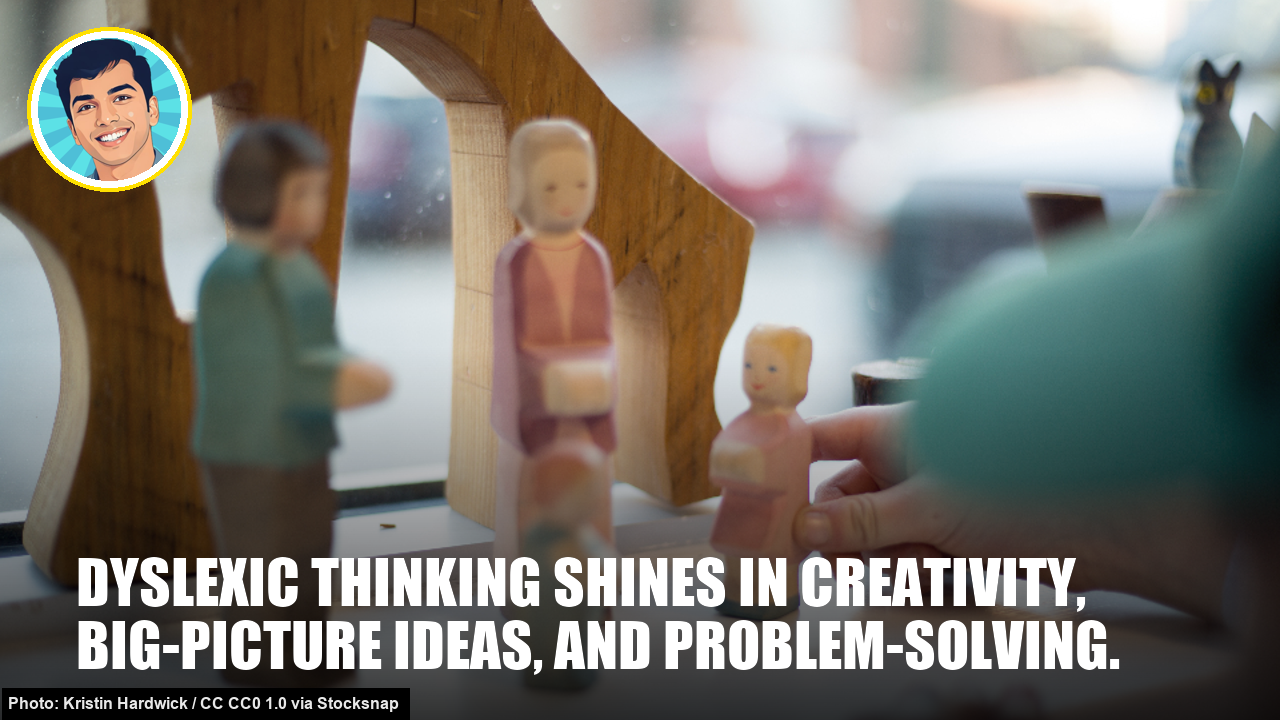
This isn’t a feel-good story we tell to soften bad news. The strengths are documented. Yale’s work on dyslexia and creativity describes minds that are unusually good at seeing the big picture, connecting ideas, and solving problems in original ways.
The charity Made By Dyslexia, led by successful dyslexics, sums up ‘dyslexic thinking’ as a cluster of real-world skills: creativity, problem-solving, big-picture reasoning, communication, and leadership. Those aren’t consolation prizes. They’re the exact skills the future rewards most.
- Big-picture thinking: seeing how things connect, not just the details.
- Creativity: original ideas and unusual solutions.
- Problem-solving and reasoning: finding a way around, not just through.
- Storytelling and people skills: many dyslexics communicate and lead brilliantly.
How to raise a struggling reader who believes in themselves

- Get the right reading help early. Dyslexia responds to structured, specialist teaching. Ask the school for an assessment and support — don’t wait and hope.
- Separate reading from intelligence — out loud. Tell your child often: ‘Reading is hard for your brain. Thinking is not. They are different things.’
- Feed the strengths. Give real outlets for ideas — building, art, business games, debate, audiobooks. Let them shine where they’re strong while reading catches up.
- Tell them the stories. Branson, and so many founders and inventors, are dyslexic. Kids need proof that this brain wins.
Yale’s resources for dyslexic kids and adults make the same point: support the reading, but never let a child believe the struggle defines their worth or their ceiling.
From struggling reader to standout entrepreneur
Here’s the long game. The world is moving toward exactly what dyslexic minds do best — creativity, big-picture problem-solving, communication, leadership. The skills that make school hard can make life extraordinary. That’s not a coincidence; it’s why so many founders share this brain.
Branson couldn’t sit still with a textbook, but he could spot an opportunity, rally people, and build. Your struggling reader may be carrying the same toolkit. Get them the reading help they need — and protect the belief that their mind is a gift, not a defect. Our guides on building real confidence in kids and helping children learn naturally take it further.
The bottom line on dyslexia in children
Don’t let a reading score define your child. Dyslexia in children is a different way of thinking, not a lack of intelligence. Get the reading help early, feed the real strengths, and protect the belief that their mind is a gift — the way one ‘weak student’ grew into Richard Branson.
Want a clear path to raise a confident, capable, future-ready child? Explore Habbinson’s courses — and don’t just raise a child, raise a leader.
Frequently Asked Questions
Does dyslexia mean my child isn’t intelligent?
No. Dyslexia has nothing to do with intelligence. It makes reading, spelling, and word retrieval harder, but dyslexic children are often fast, creative thinkers with strong reasoning. Many are highly intelligent. The struggle is with reading mechanics, not with thinking.
What are the strengths of a child with dyslexia?
Dyslexic minds are often strong at big-picture thinking, creativity, problem-solving, storytelling, and leadership. Organisations led by dyslexics describe these as ‘dyslexic thinking’ — the very skills the modern world rewards most. The reading struggle sits right next to real, usable gifts.
How can I help my child with dyslexia?
Get early, structured reading support — ask the school for an assessment. At home, separate reading from intelligence out loud, feed their strengths with hands-on outlets, and share stories of successful dyslexics. Support the reading while fiercely protecting their belief in their own mind.
Can a dyslexic child still be successful?
Absolutely. Richard Branson and many other founders, inventors, and leaders are dyslexic. With the right reading help and strong self-belief, dyslexic children often turn their thinking strengths into remarkable careers. Dyslexia is a different way of learning, not a limit on success.
Should I tell my child they have dyslexia?
Yes, framed well. Children do better knowing their brain works differently than believing they’re ‘stupid’ or ‘lazy.’ Explain that reading is hard for their brain but thinking is not, name the strengths that come with it, and point to the many successful people who share it.
Dyslexia is not: the takeaway
When it comes to dyslexia is not, small, consistent habits beat any single big moment — keep showing up and keep it light.
Why dyslexia is not a weakness
Dyslexia affects how the brain processes written words, not how clever a child is. Many dyslexic minds are exceptional at big-picture thinking, creativity and problem-solving.
History is full of dyslexic founders, scientists and artists. The struggle is real, but framing it as a flaw misses the genuine strengths that often come with it.
How to support a child when dyslexia is not a weakness
Separate reading difficulty from intelligence in your words and theirs — a child who believes they’re “stupid” is far more limited than dyslexia itself ever makes them.
Get the right support, lean into their strengths, and celebrate effort. Confidence and the right tools turn a struggling reader into a standout adult.
Dyslexia is not a weakness: key points to remember
When it comes to dyslexia is not a weakness, small consistent steps beat any one-off effort — and the gains compound over time.
Dyslexia is not a weakness: what to keep in mind
When it comes to dyslexia is not a weakness, small consistent steps beat any one-off effort — and the gains compound over time.
Dyslexia is not a weakness: frequently asked questions
Does dyslexia mean my child isn’t smart?
Not at all. Dyslexia is about processing written language, not intelligence. Many dyslexic people are brilliant thinkers and creators.
What strengths can come with dyslexia?
Often strong big-picture thinking, creativity, problem-solving and resilience. Supporting these matters as much as helping with reading.
How do I protect my child’s confidence?
Make clear that reading struggles don’t define their worth or ability, get proper support early, and celebrate effort and strengths.
Dyslexia is not a weakness: the bottom line
Dyslexia is not a weakness — with confidence and the right support, it can become a child’s greatest strength. Explore our communication and leadership courses to take the next step. For evidence-based depth, see this resource.
Want to build your child’s spoken English and confidence? Explore the Spoken English for Kids course at Habbinson — live 1:1 classes that turn shy kids into clear, confident speakers.