Helping Kids Build Confidence in a Loud, Messy World

Building confidence in kids is less about pep talks and more about letting them earn small, real wins. Let’s be real for a second—growing up today? It’s a lot.

Building confidence in kids — Habbinson
Building confidence in kids

Kids aren’t just dealing with school and homework anymore. They’re swimming in social media noise, unspoken comparisons, pressure to be “the best,” and a world that rarely slows down.

And somewhere in the middle of it all… they’re trying to figure out who they are.


That Little Voice Inside? It Matters More Than You Think

We all have one—that voice inside our head. Some days it cheers us on. Other days? Not so much.

Now imagine that voice in a child’s head.

  • “I’m not good enough.”

  • “Everyone’s better than me.”

  • “Why do I always mess this up?”

Sounds familiar? That’s negative self-talk. And it can chip away at confidence before a child even learns how to defend it.

But here’s the hopeful part: they can learn to talk to themselves differently. Gentler. Kinder. Braver.


Every Kid Is Built Differently—And That’s Not Just Okay, That’s Powerful

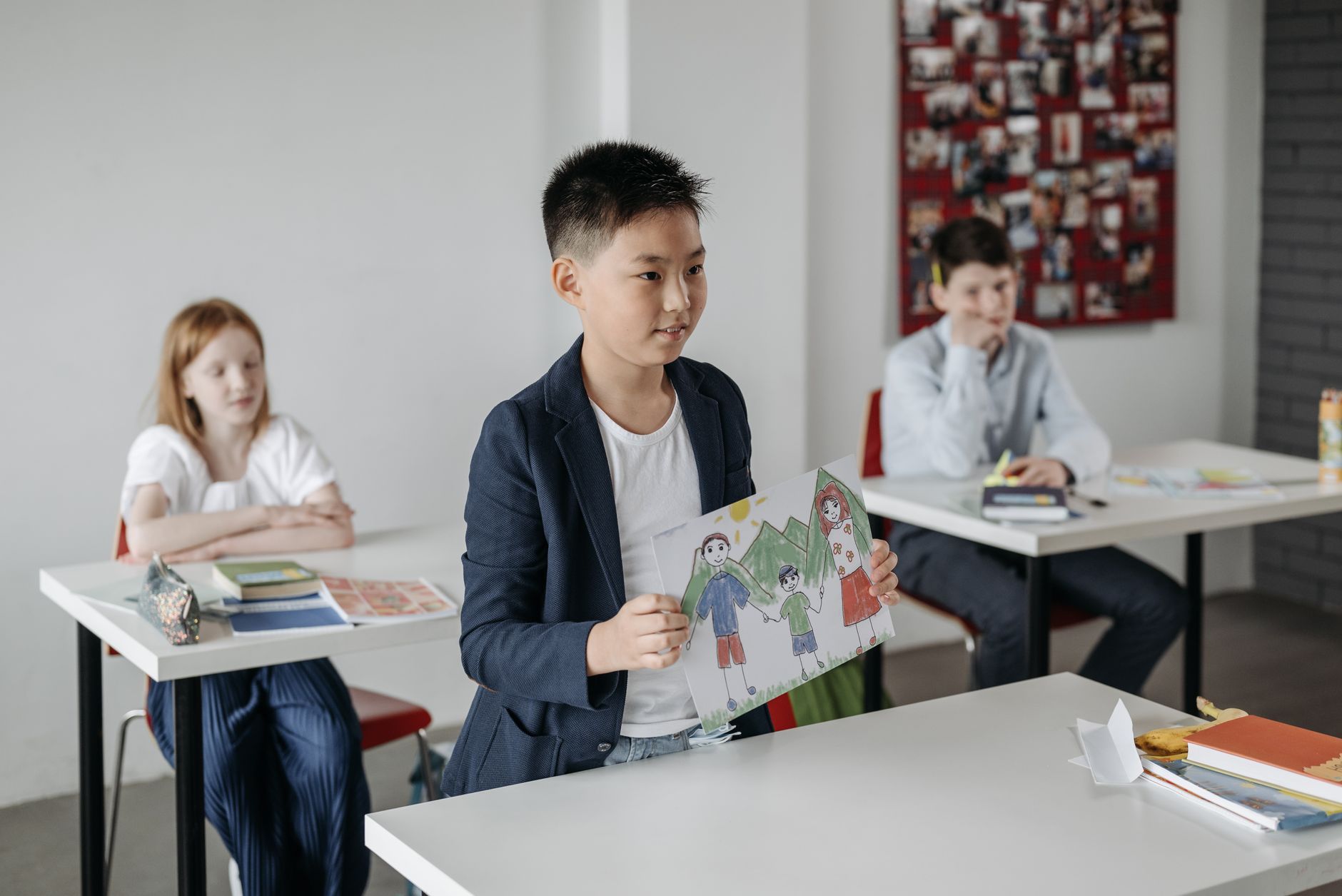
Some kids are quiet observers. Some light up every room. Some take time to open up. Others jump right in. There’s no single “confident” personality.

Truth is, confidence isn’t loud. It’s not just for extroverts. It’s that inner belief that says, “I can handle this.”
Even if their hands are shaking.

The more we let kids just be who they are, the easier it becomes for them to grow into someone they like being.


Social Media: Not the Enemy, But Definitely Tricky

Here’s a quick thought experiment: if we, as adults, sometimes feel insecure after scrolling Instagram for 15 minutes… what about a 12-year-old?

Likes, filters, curated lives—it’s a lot for a young brain to process.

So instead of saying “Don’t use it,” help them ask:

  • “How does this make me feel?”

  • “Why am I posting this?”

  • “Am I comparing myself too much?”

Teach them to use social media, not be used by it.


Their Timeline ≠ Someone Else’s

One of the most quietly damaging things a child can believe is that they’re “behind.”

Behind in confidence. Behind in skills. Behind in life.

But life isn’t a race. Some bloom in 5th grade. Others in their 20s. And that’s perfectly okay.

Teach them: growth isn’t always visible—but it’s always happening.


Let’s Talk About the Real Confidence Builders

Want to know one of the strongest confidence-boosters for a child?
Doing something they love—just because they love it.

Painting. Dancing. Solving puzzles. Baking cupcakes. Climbing trees.
Let them chase joy. Let them make a mess. Let them do things badly at first.

Because confidence doesn’t come from perfecting things. It comes from trying anyway.


Rewiring That Inner Voice

You don’t have to be a psychologist to help a child challenge their negative self-talk. Try this:

  • Instead of “I’m bad at this,” ask them: “What can you try next time?”

  • Help them list 3 things they like about themselves.

  • Catch them being kind, curious, brave—point it out.

  • Remind them: progress is progress, even when it’s tiny.


Final Thoughts: Confidence Is Quietly Built, Day by Day

It’s not about being fearless. It’s about showing up.

Confidence is whispering “I’ll try again” after failing.
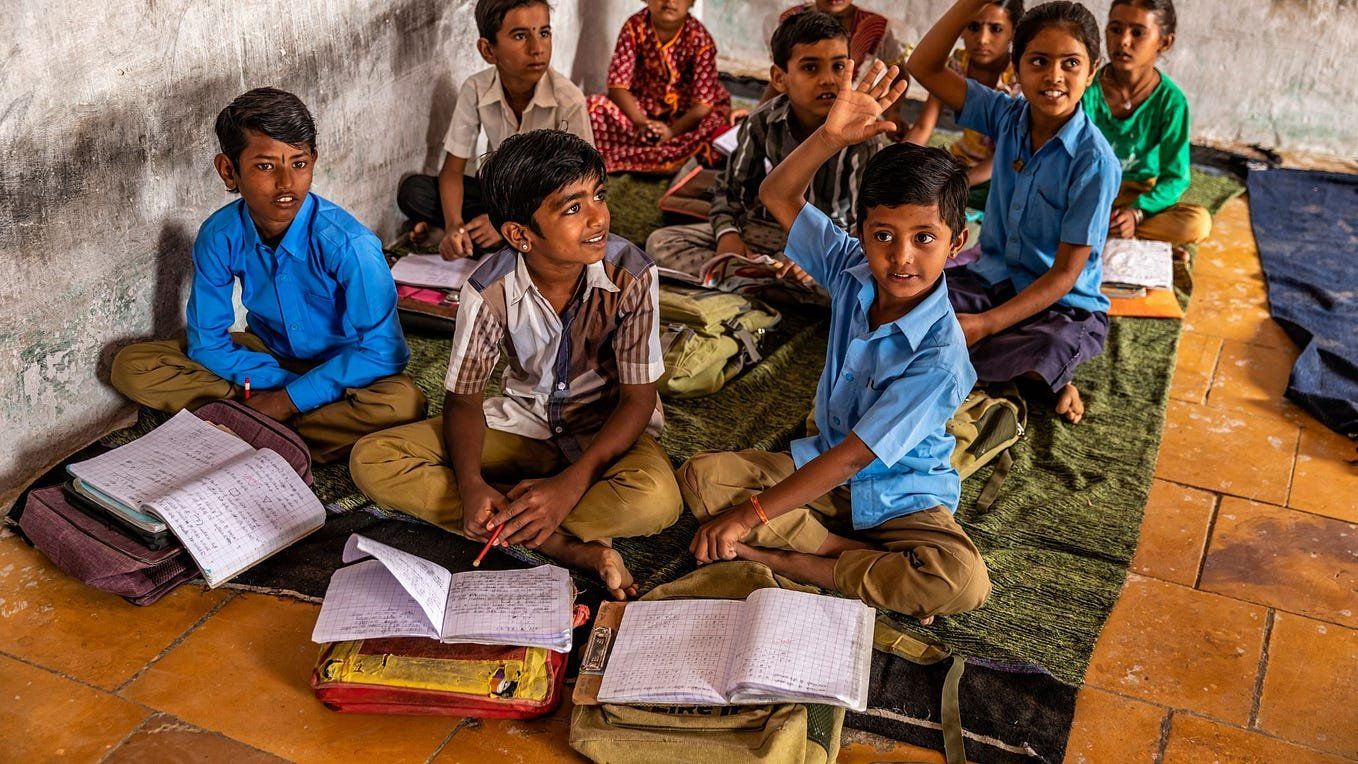
It’s raising a hand even if the answer’s wrong.
It’s saying “I like who I’m becoming.”

And with the right encouragement, every child can get there.

What building confidence in kids really means

Confidence is the memory of having coped before. A child who has tried, struggled, and figured something out carries proof that they can handle hard things. That’s why constant rescuing quietly erodes confidence — it removes the evidence.

Praise the effort and the strategy, not the label. “You kept trying different ways” builds a child who persists; “you’re so smart” builds a child who fears looking dumb. The words you choose shape which one you get.

Daily habits for building confidence in kids

Hand them age-appropriate responsibility — packing their bag, ordering their own food, solving a small dispute. Let them feel the weight of doing it themselves, even imperfectly.

Let small, safe failures happen and coach the comeback instead of preventing the fall. A child who learns “I can recover” is far more confident than one who has simply never been allowed to stumble.

Building confidence in kids: frequently asked questions

Does praising my child build confidence?

Effort-based praise helps; empty or constant praise backfires. Confidence grows most from real competence and safe risk, not from being told they’re great.

My child gives up easily. What helps?

Break tasks into smaller wins, praise the strategy they used, and resist jumping in. Each recovered struggle adds to their “I can cope” bank.

At what age should I start?

Early — toddlers building confidence by doing up a zip or carrying a plate. The principle stays the same at every age: competence over rescue.

Building confidence in kids: the bottom line

Building confidence in kids means trading a little short-term comfort for a lifetime of self-belief. Explore our communication and leadership courses to take the next step. For evidence-based depth, see this resource.

Want to build your child’s spoken English and confidence? Explore the Spoken English for Kids course at Habbinson — live 1:1 classes that turn shy kids into clear, confident speakers.