
Every parent wants to raise a good communicator, and the good news is that this skill grows at home, one small habit at a time. Moreover, you do not need fancy tools or extra classes. Instead, a few warm minutes each day slowly build a child who listens well, speaks clearly, and shares ideas with confidence. Because communication shapes friendships, school, and future work, these early habits truly matter.
Want to raise a good communicator? These 6 warm, simple daily habits help your child listen, speak clearly, and share stories with real confidence.
- Why It Matters to Raise a Good Communicator
- Start With Listening
- 6 Daily Habits to Raise a Good Communicator
- Help Your Child Speak Clearly and Tell Stories
- When to Add Extra Support
Why It Matters to Raise a Good Communicator
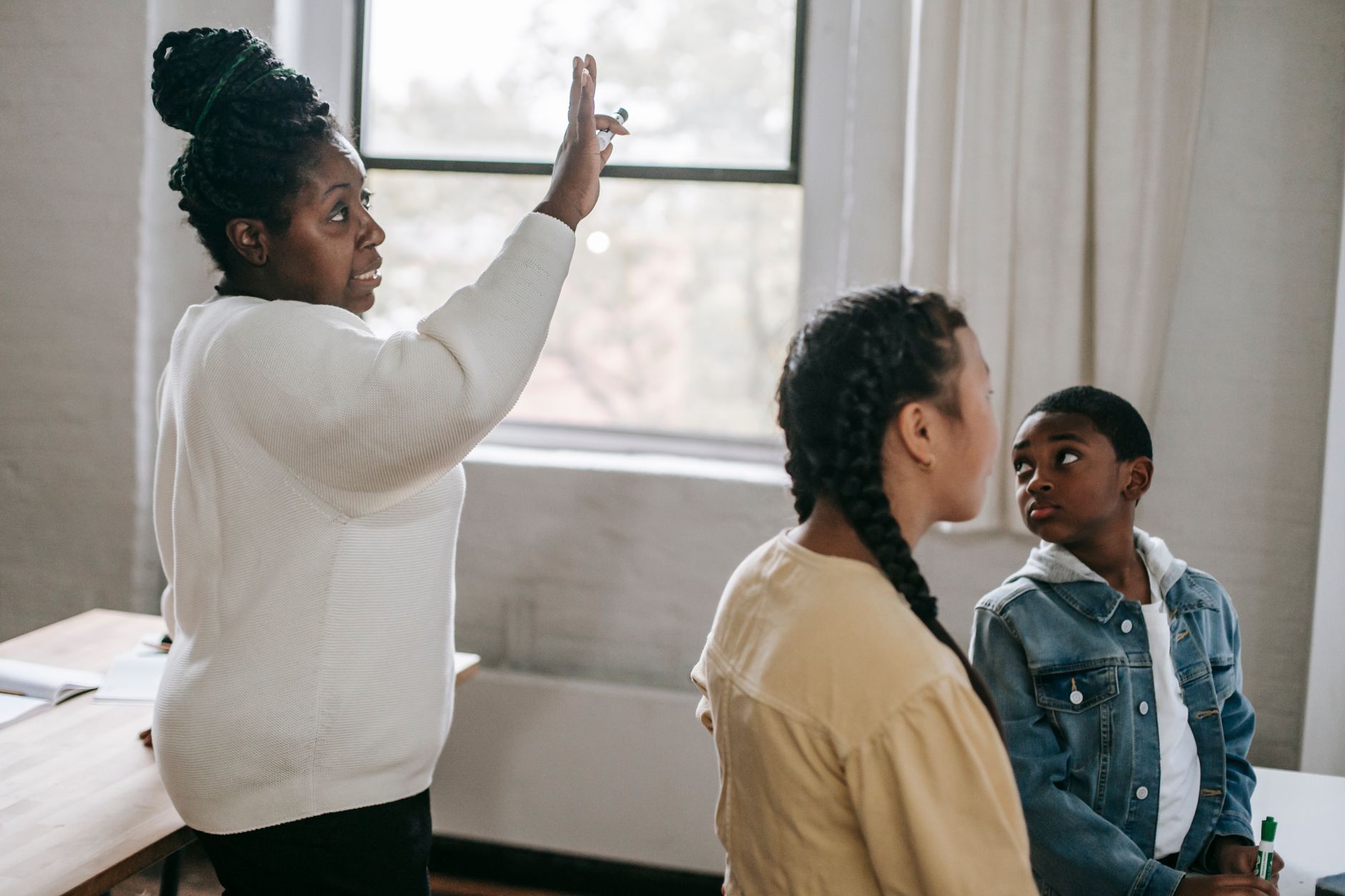
Children who speak and listen well make friends faster, ask for help easily, and handle big feelings calmly. Furthermore, strong talkers do better in class because they share answers without fear. According to the American Academy of Pediatrics at healthychildren.org, everyday conversation is a powerful way to grow a child's language and thinking. Therefore, when you raise a good communicator, you also raise a confident, kind, and capable child for life.
Start With Listening
Good talking always begins with good listening. So, when your child speaks, stop and look at them fully. Next, put the phone away and nod as they talk. Additionally, repeat back what you heard, such as, "So you felt sad when your friend left." Consequently, your child learns that listening is caring. Over time, they copy you and become a patient listener too.
6 Daily Habits to Raise a Good Communicator
Below are six simple steps you can start today. Although each one takes only minutes, together they steadily help you raise a good communicator. In short, do them warmly, not as a test.
Quick tip: Pick just ONE habit this week. Because small wins stick, one steady habit beats six rushed ones. Then add the next habit next week.
Help Your Child Speak Clearly and Tell Stories
Clear speaking grows with gentle practice, not correction. For example, when your child mumbles, do not scold. Instead, kindly say the word slowly and let them try again. Meanwhile, story-telling is pure magic for confidence. So, ask your child to retell a cartoon or a temple visit in order. As a result, they learn to put ideas in the right sequence and speak with real confidence.
- Give your child time to finish; never rush their words.
- Praise the effort, not just perfect grammar.
- Turn car rides and dinner into easy talk time.
- Let them order politely at a shop or restaurant.
- Model calm words when you feel upset, so they copy you.
When to Add Extra Support
Sometimes children need a little more guided practice, and that is perfectly fine. Notably, a structured programme adds fun games, clear speech, and stage confidence that home alone cannot. Therefore, if your child loves to talk but needs polish, our Spoken English for Kids course offers warm, step-by-step lessons. Additionally, you can explore more free parenting tips on our Habbinson blog. Ultimately, small daily habits plus gentle support help you raise a good communicator with ease.
Frequently Asked Questions
At what age can I start to raise a good communicator?
You can start from birth by talking, singing, and listening. However, ages 6 to 9 are ideal for clear speaking, taking turns, and story-telling. Because habits form fast, daily talk time at any age helps a lot.
How many minutes a day do these habits take?
Just 10 to 15 warm minutes a day is enough. For instance, talk during dinner, car rides, or bedtime. Since small and steady wins, short daily practice beats long, rare sessions.
My child is shy. Can they still become a good communicator?
Yes, absolutely. Shy children often become thoughtful, strong speakers with gentle practice. So, start with one-to-one talks, praise every effort, and never force them. Slowly, their confidence grows.
Should I correct my child's mistakes while they talk?
Not in the moment. Instead, listen fully first, then kindly model the correct word later. Because harsh correction hurts confidence, warm repetition works far better for young children.
Do classes help more than home habits?
Both work together best. While home habits build the base, a structured course adds games, stage practice, and clear speech. Therefore, pair daily home talk with guided lessons for the strongest results.