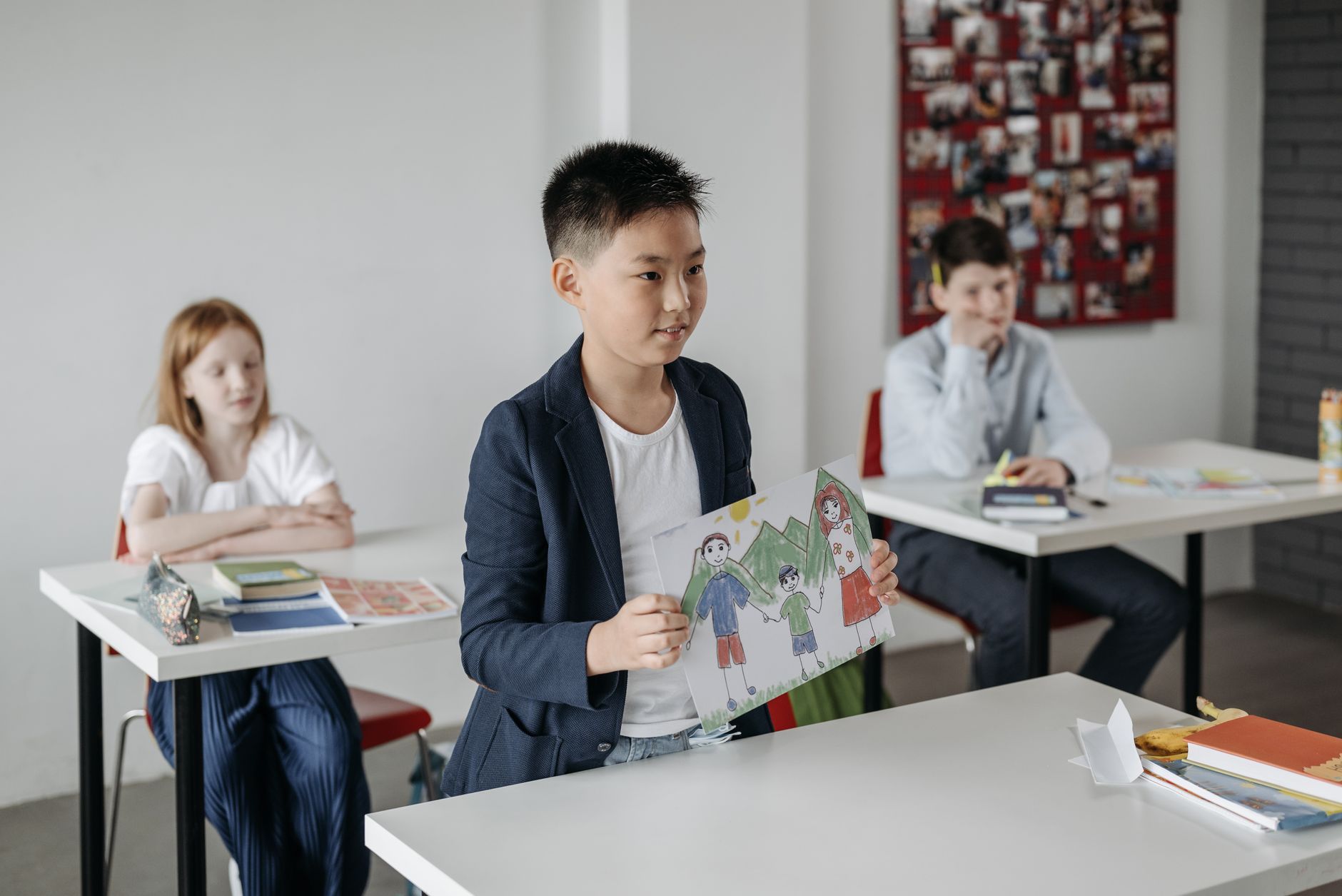

The topper dilemma is the hidden cost paid by children taught that only being first is good enough.
The Topper Dilemma: When Being the Best Comes at a Cost
You know that student—the one who always tops the class? Maybe it was you. Maybe it was someone you quietly admired (or envied a little). They got the awards, the applause, the perfect report cards.
But have you ever wondered what happened to them after school?
Truth is, a lot of them burn out. Some feel lost. Others spend their twenties trying to figure out what went wrong.
It’s not a story we talk about enough.
When Praise Becomes Pressure
It all starts innocently. A child does well in school. Teachers praise them. Parents beam with pride. Relatives start calling them “genius.” And at some point, that label sticks.
You’re not just a student anymore. You’re the topper.
And that label? It’s heavy. It tells you: “Don’t mess up. Don’t slow down. Don’t fall behind.”
So you study harder. Say no to things you might enjoy. Smile through the pressure. And pretend you’re okay, because being “the smart one” means always having it together.
Success, But At What Price?
Here’s the thing: school teaches you how to memorize and score. But not always how to fail. Or pause. Or question.
Top students often don’t get time to develop people skills, deal with messy emotions, or try things where they might suck.
Then adulthood hits. Jobs. Relationships. Rejections. Suddenly, there’s no rank card. Just a ton of expectations and very few instructions.
Real Life Doesn’t Hand Out Gold Stars
There’s no “first place” in the real world. No report card telling you you’re doing great. You have to figure things out. Make choices with no clear answers. Deal with failure that no one’s going to grade you on.
For someone who always got it “right,” this can be terrifying.
And yet… nobody talks about this fear. This confusion. This quiet pressure to keep proving yourself—even when you’re tired.
So… What Can We Do?
Stop measuring kids only by marks. Full stop.
Ask them how they feel, not just how they performed. Encourage things like drawing, talking, failing, resting. Let them mess up. Let them try weird stuff. Let them be kids, not little machines.
And if you’re reading this as someone who once topped a class? Hey. It’s okay to slow down. You don’t have to prove anything.
You’re already enough.
#LetKidsBreathe #ToppersAreHumanToo #MentalHealthMatters #SchoolPressure #SuccessRedefined #EmotionalEducation #DropTheRank
Understanding the topper dilemma
A child who must always be top often becomes terrified of failure, avoids risks, and ties their whole worth to a rank. The pressure can quietly erode curiosity and joy.
Ironically, the obsession with grades can hold a child back. The real world rewards creativity, communication and resilience far more than a perfect transcript.
How to avoid the topper dilemma
Praise effort, curiosity and character — not just marks. Make it clear your love isn’t tied to their rank, so failure stops feeling catastrophic.
Encourage interests beyond academics and let them stumble safely. A balanced, resilient achiever outlasts a fragile, anxious topper every time.
The topper dilemma: frequently asked questions
Is wanting my child to do well wrong?
Not at all. The danger is making rank everything. Balance ambition with resilience, character and joy.
How do I reduce academic pressure?
Praise effort over results, separate your love from their grades, and value their interests and well-being just as highly.
Can high achievers stay balanced?
Yes — when they’re driven by curiosity rather than fear, and know their worth isn’t tied to being first.
The topper dilemma: the bottom line
The topper dilemma reminds us that a confident, resilient child beats an anxious number-one in the long run. Explore our communication and leadership courses to take the next step. For evidence-based depth, see this resource.