
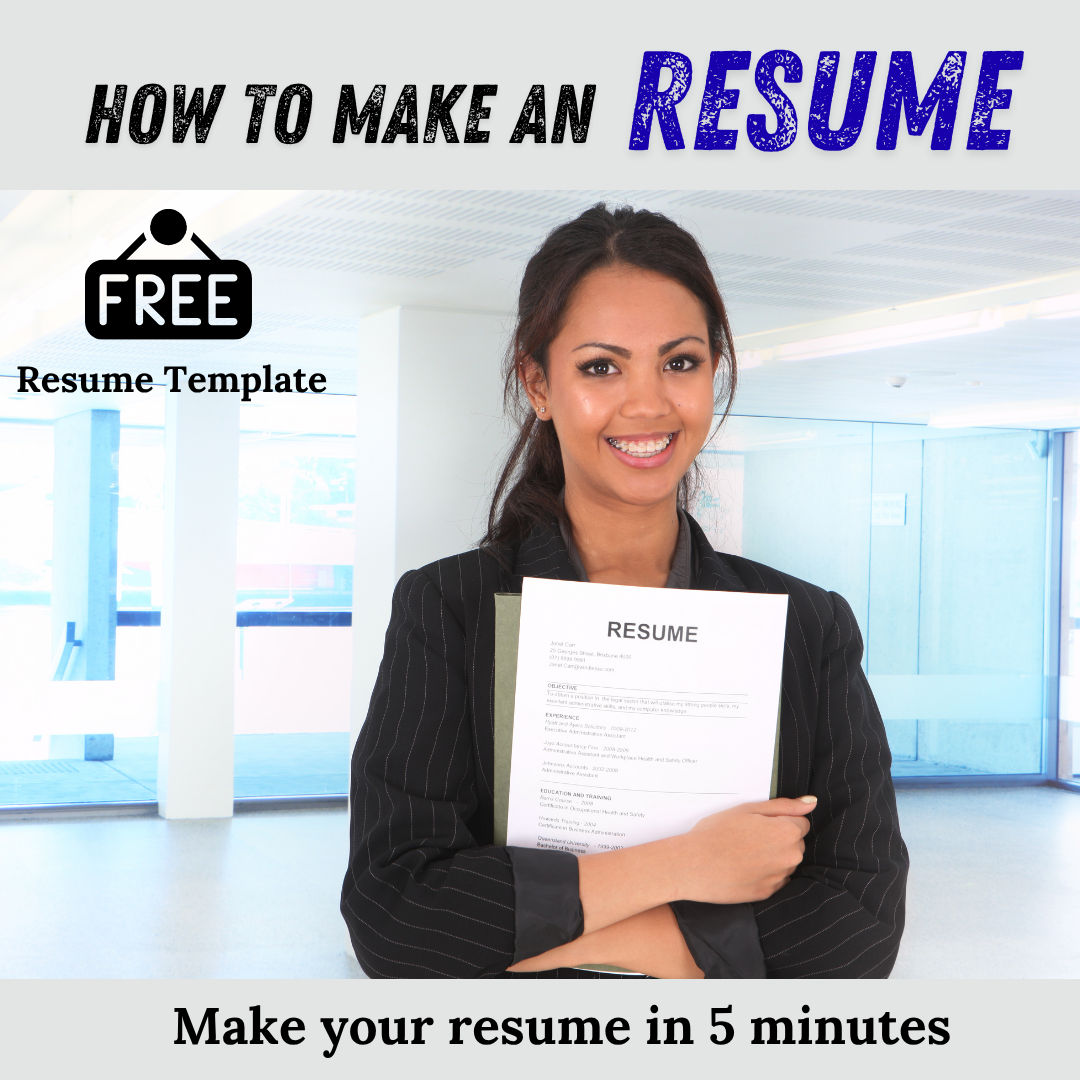
You don’t need years of experience to make your first resume that gets noticed — you need clarity. The first time I sat down to make my resume, I stared at a blank screen for an hour. I googled “best student resume,” scrolled through a bunch of fancy templates, and still had no idea what to write. I kept thinking, “What do I even put here? I’m not a CEO. I haven’t invented anything. I just want to get a job.”
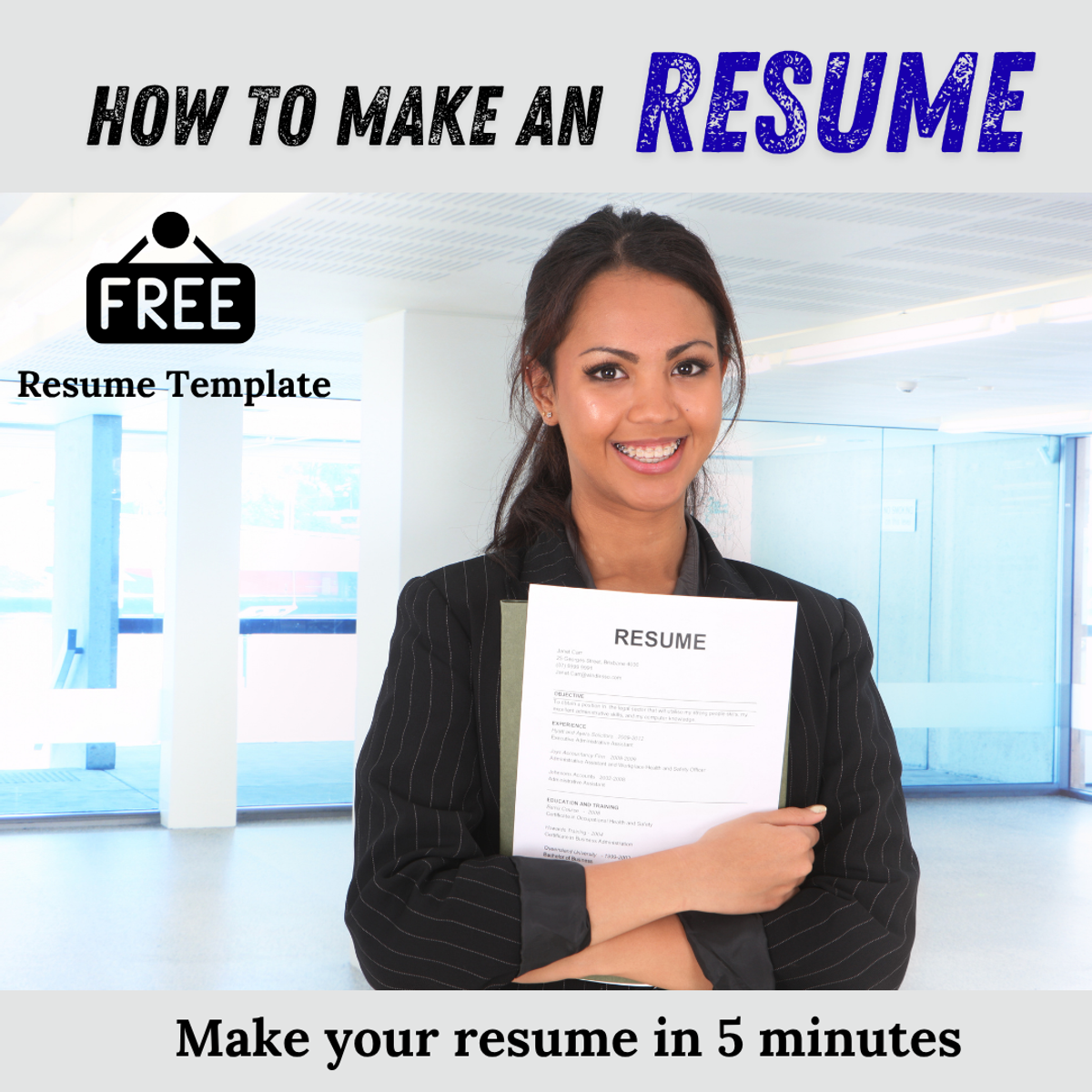
If you’re in your pre-final or final year and you feel the same, trust me—you’re not alone. Most of us have no clue what a “good” resume looks like until we’re forced to make one. And the worst part? No one really tells you what matters and what doesn’t.
So, let’s cut through the noise. Here’s what I wish someone had told me before I made my first resume.
1. Your Resume Isn’t a Biography—It’s a Trailer
Think of your resume like a movie trailer. You don’t need to show every single thing you’ve ever done. You just need to give recruiters a reason to want to know more.
That means:
- Highlighting your best projects, internships, or even college fests you helped organize.
- Focusing on what you actually did, not just your job title.
- Using numbers if you can (“Helped organize a fest for 500+ students” sounds way better than “Organized fest”).
2. “But I Don’t Have Experience!”—Yes, You Do
I used to think, “I haven’t worked anywhere, what do I write?” But then I realized:
- That group project where you pulled an all-nighter? That’s teamwork and problem-solving.
- The time you managed the budget for your college event? That’s real responsibility.
- Even your engineering project or that online course you finished—if you learned something, it counts.
3. Keep It Simple, Keep It Real
Don’t try to sound like a robot. If you’re good at something, say it. If you’re still learning, that’s fine too.
And please—don’t copy-paste those “dynamic, hardworking, passionate individual” lines from the internet. Recruiters have seen them a million times. Just be honest about what you’ve done and what you want to do.
4. The Template That Actually Works
I’ve attached a resume template below—the same one I wish I had when I started. It’s clean, easy to edit, and you can open it in Canva (so no fighting with Word formatting at 2am).
Fill up the form attached to get instant access to the free resume template. You’ll be able to build your own resume in just 5-10 minutes and start applying to companies right away.
Free Resume Template
5. One Last Thing: Your Resume Will Change
Don’t stress about making it perfect. You’ll tweak it for every job, and that’s normal. The important thing is to start. And if you ever get stuck, ask a friend, a senior, or even your favorite professor for feedback. (Or just DM me—I’ve been there.)
Ready to stop staring at a blank screen? Fill out the form, grab your template, and get your first resume done today.
And if you want to make sure you’re not just sending out resumes but actually getting interview calls, check out our Interview Skills Training Program. We’ll help you with everything from resume tweaks to nailing your first HR round.
What to include when you make your first resume
With little work history, lead with education, projects, skills and any internships or volunteering. Real projects are your strongest proof, so feature them.
Add a short summary line that states who you are and what you’re aiming for. It frames everything a recruiter reads next.
How to make your first resume look professional
Keep it to one clean page, use consistent formatting, and quantify results wherever you can — even small numbers beat vague claims.
Tailor the top third to each role and proofread twice. A simple, error-free resume beats a flashy, cluttered one every time.
Make your first resume: frequently asked questions
What if I have no experience?
Lead with projects, skills, coursework and volunteering. Demonstrated ability matters more than a job title you don’t have yet.
How long should a fresher resume be?
One page. It forces you to keep only your strongest, most relevant points.
Should I use a template?
A clean, simple template is fine. Avoid heavy graphics that distract from your content or confuse applicant tracking systems.
Make your first resume: the bottom line
When you make your first resume, clarity and real projects beat experience you don’t have yet. Explore our communication and leadership courses to take the next step. For evidence-based depth, see this resource.