
Every child has a lot to say; the gift you give them is the ability to say it well.
Every parent has seen it
Your child has so much to share. A wild story from school. A sharp opinion on something they heard. Questions that could stump an adult.
And yet, when it comes to expressing those thoughts clearly—especially outside of home—they fumble. Words get jumbled. The idea is there, but the delivery isn’t.
It’s not a lack of intelligence. It’s a lack of practice.
And in a world that rewards clarity, connection, and confidence—verbal communication is no longer optional. It’s a life skill.
Why It Matters Early
Most children are taught what to say, but not how to say it. We focus on grammar and vocabulary, but rarely on tone, flow, or presence.
By the time they reach their teens, these gaps become visible. They hesitate in group discussions, shy away from presentations, or retreat in social settings—not because they don’t know the answer, but because they don’t trust their voice.
And that’s the part we can change—early.
When Verbal Confidence is Practiced, Not Preached
Confidence doesn’t develop through lectures. It grows when kids are given a safe space to try, speak, make mistakes, and try again—while being gently coached to do better each time.
That’s why our Verbal Communication course for kids isn’t a typical speaking class.
It’s designed as a fun, engaging space where children:
- Learn to think clearly while speaking
- Practice active listening, pausing, and presenting
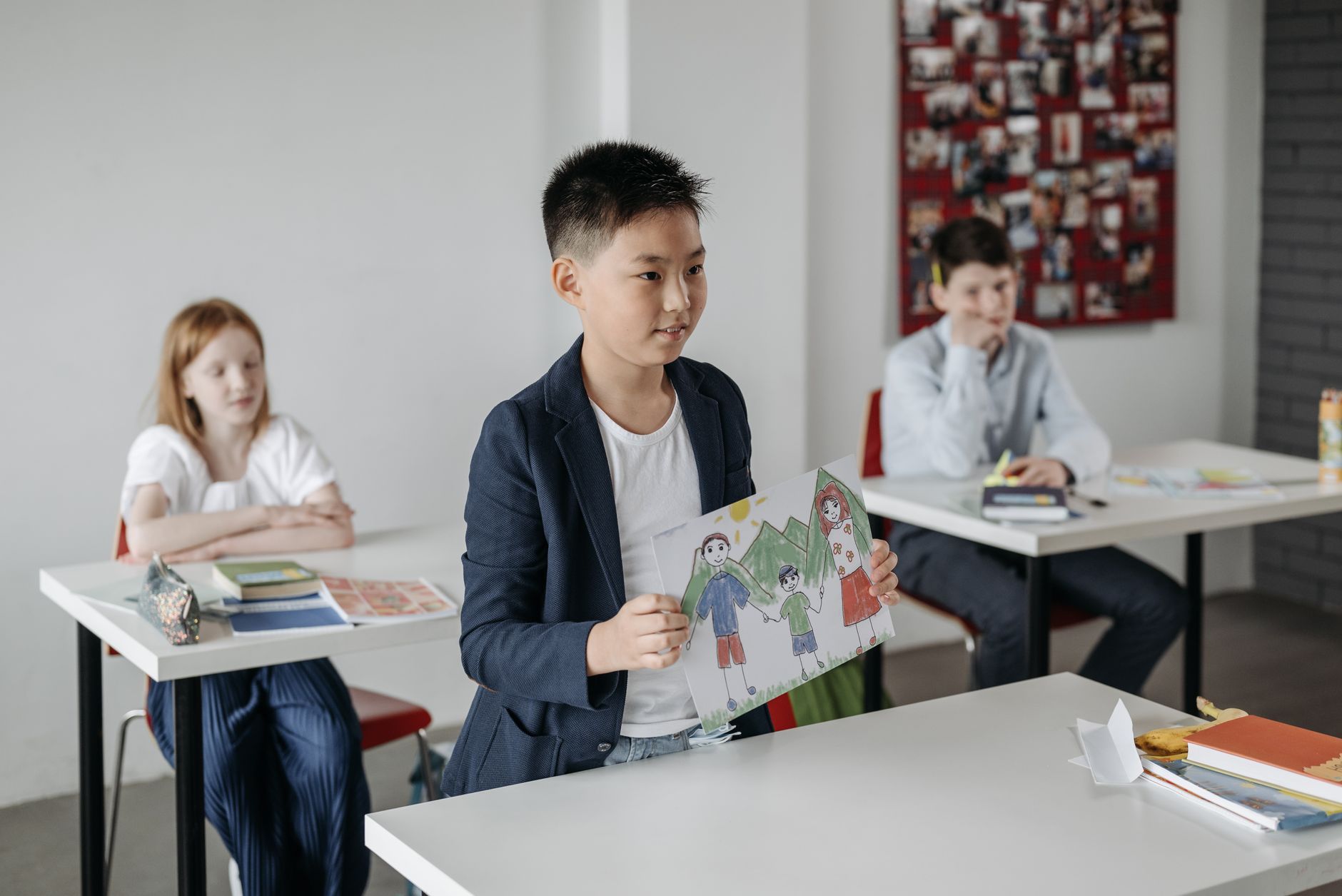
- Take part in activities like show & tell, debates, role-play, and storytelling
- Get personal feedback—not correction, but direction
We focus on real, everyday communication—whether it’s answering confidently in class, talking to relatives, or making new friends.
And over time, the difference shows—not just in how your child talks, but in how they feel about talking.
What You Can Do as a Parent
- Listen fully when they speak. Don’t rush to fix or finish their sentences.
- Ask open-ended questions, not yes/no ones. Let them explore ideas.
- Encourage them to speak in front of family or during small events.
- Avoid labeling (“He’s shy” or “She’s not confident”). Kids believe what they hear.
Most importantly, give them opportunities to grow their voice outside the school system. Because school teaches content. But confidence? That needs a different kind of classroom.
A Final Word
Your child already has a voice. The real question is—do they know how to use it with clarity and confidence?
Verbal skill isn’t just for future presentations or interviews. It’s for today—classrooms, friendships, opinions, and dreams.
The earlier they learn to express themselves, the louder their potential becomes.
Why having a lot to say isn’t enough
Ideas only matter when they’re heard. A child bursting with thoughts but unable to express them clearly often ends up frustrated, talked over, or simply ignored.
Communication is the bridge between a bright mind and the world. Building it early turns a chatty kid into a confident, articulate one.
How to help a child who has a lot to say
Listen fully when they talk, ask follow-up questions, and resist finishing their sentences. Feeling heard is what makes a child want to keep expressing themselves.
Give them low-pressure stages — telling a story at dinner, explaining their day — and gently model clearer ways to say things. Practice, not pressure, builds the skill.
Child has a lot to say: frequently asked questions
My child talks a lot but unclearly. Is that a problem?
It’s normal and very coachable. Listen, ask questions, and model clearer phrasing. Expression sharpens with practice and patience.
How do I get a shy child to open up?
Create safe, low-pressure moments, listen without judging, and never rush them. Confidence grows when they feel genuinely heard.
When should I worry about speech?
If they’re well behind typical milestones, check with a professional. Otherwise, focus on rich conversation and listening at home.
Child has a lot to say: the bottom line
When a child has a lot to say, your job is to help them say it clearly, confidently and be heard. Explore our communication and leadership courses to take the next step. For evidence-based depth, see this resource.
Want to build your child’s spoken English and confidence? Explore the Spoken English for Kids course at Habbinson — live 1:1 classes that turn shy kids into clear, confident speakers.