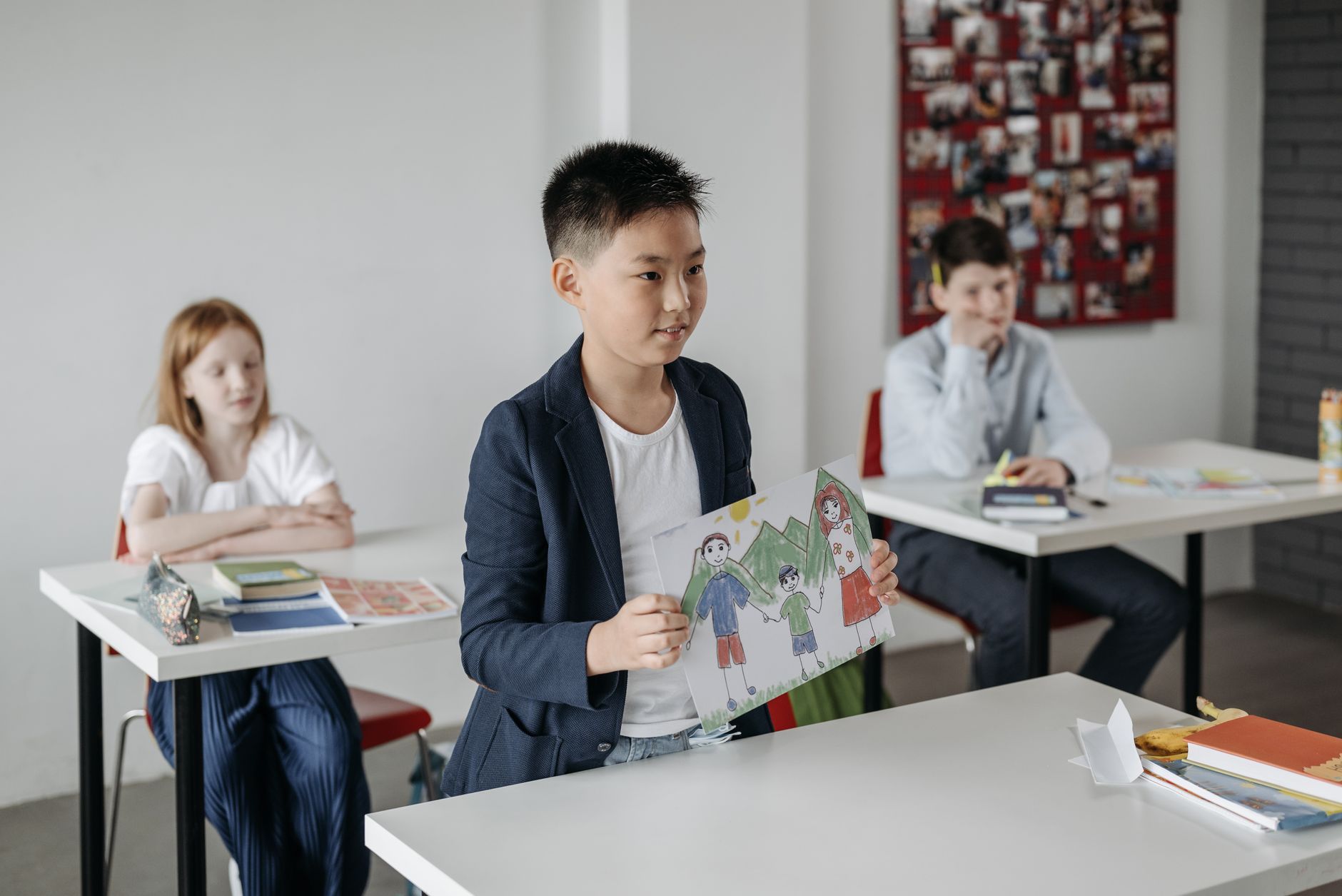

If your child is quiet at school yet talks non-stop at home, you are not alone, and you have not done anything wrong. Many warm, chatty children go silent the moment they step into a classroom. Furthermore, this gap between home and school can feel confusing and worrying. However, it is common, it is understandable, and it usually gets better with gentle support.
Is your child quiet at school but chatty at home? Here is why it happens, plus gentle, proven steps to help your child quiet at school find their voice.
- Why Is My Child Quiet At School But Loud At Home?
- When It Runs Deeper: Shyness And Selective Mutism
- Gentle Ways To Help A Child Quiet At School Find Their Voice
- When To Seek A Little Extra Help
Why Is My Child Quiet At School But Loud At Home?
First, home feels safe. At home, your child knows the people, the rules, and the routines. Therefore, words come out easily. At school, however, everything feels bigger and louder. Moreover, there are new faces, new sounds, and lots of eyes. As a result, a child quiet at school is often not being rude or stubborn. Instead, they are simply overwhelmed and trying to feel safe first.
When It Runs Deeper: Shyness And Selective Mutism
Sometimes the quiet runs a little deeper. For example, some children freeze and cannot speak at all in certain places, even when they want to. Doctors call this pattern selective mutism, and it is a form of anxiety, not defiance. Additionally, milder shyness sits on the same path. According to the Child Mind Institute, selective mutism is treatable, especially when it is spotted early. Consequently, the calm you bring matters far more than any pressure ever could.
Above all, try not to label your child as the shy one in front of others. Because children hear those words, and often they start to believe them. Instead, describe the behaviour kindly. For instance, you might say, "You take your time to warm up, and that is okay."
Five Gentle Steps To Try First
Quick answer: A child quiet at school is usually not misbehaving. They feel safe at home but unsure at school, so their words freeze. With patience, practice, and a kind teacher, most children slowly find their voice.
Gentle Ways To Help A Child Quiet At School Find Their Voice
Small, steady moves work best. Instead of one big push, aim for many soft steps over many weeks. Meanwhile, keep the pressure low and the warmth high. Additionally, remember that speaking up is a skill, and like any skill, it grows with safe practice.
- Give warm-up time: Arrive at school or playdates a little early, because quieter children settle faster when the room is calm and not yet crowded.
- Offer non-speaking wins first: Let your child pass out papers or point to answers, since taking part without words still builds confidence.
- Read stories about brave, quiet kids: Books help children see that shyness is normal and that voices grow over time.
- Keep questions open and easy: At pickup, ask "What made you smile today?" instead of "Did you talk?", so speaking never feels like a test.
- Explore playful speaking practice, like our confident communication activities for kids, to build skills through fun rather than fear.
When To Seek A Little Extra Help
Most quiet children bloom with time and gentle support. However, sometimes a bit more help is wise. For example, if your child cannot speak at school for a month or more, or if the silence causes real distress, then talk to your doctor or the school counsellor. Similarly, trusted resources such as HealthyChildren.org from the American Academy of Pediatrics can guide you. Reaching out early is a strength, not a failure.
Moreover, our friendly team shares more support through our kids communication programme, so no parent has to figure this out alone. Ultimately, with warmth and patience, your child quiet at school can and will find their voice.
Frequently Asked Questions
Why does my child talk at home but not in the classroom?
Home feels safe and familiar, so words flow easily. However, the classroom feels new and busy, so many children hold back until they feel secure. This gap is very common and usually eases with time.
Is it just shyness, or could it be selective mutism?
Shyness slowly fades as a little one warms up. Selective mutism is stronger: they want to speak but freeze and truly cannot. If the silence lasts a month or more and causes distress, ask your doctor.
Should I push my little one to speak up in class?
No, because pushing usually backfires and adds pressure. Instead, use small steps, celebrate tiny wins, and team up with the teacher. Patience helps far more than pressure ever will.
How can I team up with the teacher for support?
Share what works at home and ask for gentle, non-speaking roles at first, such as handing out papers. Also request a seat near a friendly classmate, since one safe connection makes the room feel smaller.
Want to build your child’s spoken English and confidence? Explore the Spoken English for Kids course at Habbinson — live 1:1 classes that turn shy kids into clear, confident speakers.