
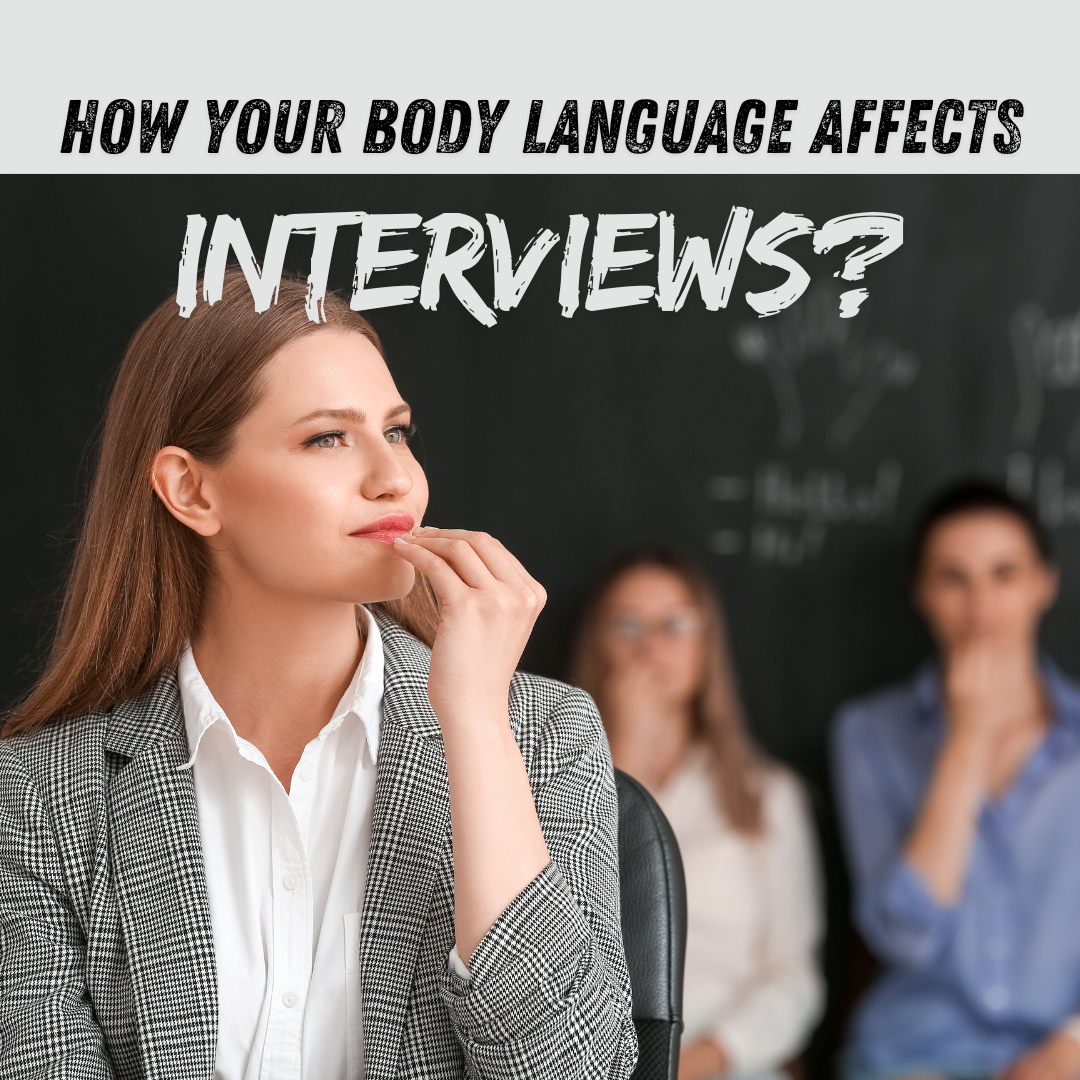
Long before you finish a sentence, your body language in interviews has already made an impression. You’re walking into an interview room—heels clicking against the tile floor, resume folder clutched tighter than you thought it would be. You smile politely, greet the panel, and settle into the chair, hoping your preparation will speak louder than your nerves.
And maybe it does. Your answers are good. You’ve done your homework. But something doesn’t click.
The panel doesn’t really warm up. Their expressions stay neutral. You start second-guessing halfway through. And even when you walk out, there’s this uncomfortable thought sitting with you: “Did I come across the way I meant to?”
A lot of young women face this—and not because they’re underprepared or incapable. It’s because they’re unaware of one crucial thing: their body is speaking for them, long before their words do.
Most people think interviews are about what you say. But often, they’re just as much about what you don’t. Your posture, your eye contact, the stillness (or restlessness) in your hands, even the way you sit down or nod while listening—these micro-signals are shaping how people read you.
And here’s the part no one tells you: your answers might be right, but if your presence feels unsure, you’ll still be perceived that way.
I’ve seen this happen countless times—sharp, well-qualified women walking into interviews and unintentionally making themselves smaller. Not physically, but in presence. A slight hunch, an overcompensating smile, a voice that speeds up to fill silence. It’s not confidence that’s missing—it’s awareness.
This is why so many capable students come out of interviews saying, “I don’t know what went wrong.” Because what went wrong wasn’t spoken. It was shown.
That’s what inspired us to build the Non-verbal Communication course—not to teach people how to “act confident,” but to help them understand how their body language can quietly sabotage or support their message. And trust me, once you become aware of what your eyes, hands, shoulders, and tone are silently saying, you’ll never approach a conversation the same way again.
Here’s where you can explore the course, especially if you’ve ever walked out of a room thinking, “I could’ve done better—but I don’t know why it didn’t land.”
The shift happens in subtle ways. A steadier gaze. A slower breath before answering. Less filler words, more grounded pauses. You don’t become louder—you become more certain. And people feel that.
The best interviewees aren’t the ones who talk the most. They’re the ones who seem the most present.
And that presence? It’s not magic. It’s trainable.
Why body language in interviews matters so much
Interviewers read confidence, calm and honesty partly from how you sit, look and move. Strong answers undercut by nervous signals lose some of their power.
The goal isn’t to perform. It’s to remove the distractions — fidgeting, slumping, darting eyes — that pull attention away from what you’re saying.
How to use body language in interviews
Sit up, keep relaxed eye contact, and let your hands gesture naturally rather than hide. A steady, open posture reads as quiet confidence.
Slow down. Breathing before you answer settles your voice and your body at once. Calm is the single most persuasive signal you can send.
Frequently Asked Questions
What’s the most common body-language mistake?
Fidgeting and avoiding eye contact. Both read as nerves and quietly undermine otherwise good answers.
Does this matter in video interviews?
Yes. Look at the camera, sit upright, and keep your face well-lit. The same signals apply on screen.
How do I look confident when I’m nervous?
Slow your breathing, sit tall, and pause before answering. Calm body language often creates the confidence it signals.
Body language in interviews: the bottom line
Body language in interviews should disappear into calm confidence — letting your answers do the talking. Explore our communication and leadership courses to take the next step. For evidence-based depth, see this resource.